
• admindesk@icoyacaafrica.org
News Photo

The Room Where the Rules Are Made: What is a WTO Ministerial Conference and Why Should Young Africans Care??

  • Blog
  • March 09, 2026

Imagine a room where the trade rules that shape your daily life are written. Where the price of the goods you import, the ease of exporting what you make and the future of African trade are all up for negotiation. That room exists, and it convenes every two years under the banner of the WTO Ministerial Conference.

In 2026, that room will be in Yaoundé, Cameroon and ICOYACA will be there.

Before we arrive, we want you — young people, entrepreneurs, students and citizens — to understand exactly what this event is, why it matters and why your voice belongs in that conversation.

What Is the WTO?

The World Trade Organization (WTO) is the global body that governs the rules of international trade. It was established in 1995 and currently has 166 member countries, including most African nations. When countries trade with each other, the WTO sets the rules of the game — what tariffs are allowed, how disputes are resolved, what subsidies are permitted and much more.

Put simply: the WTO decides how the world buys and sells.

So What is a Ministerial Conference?

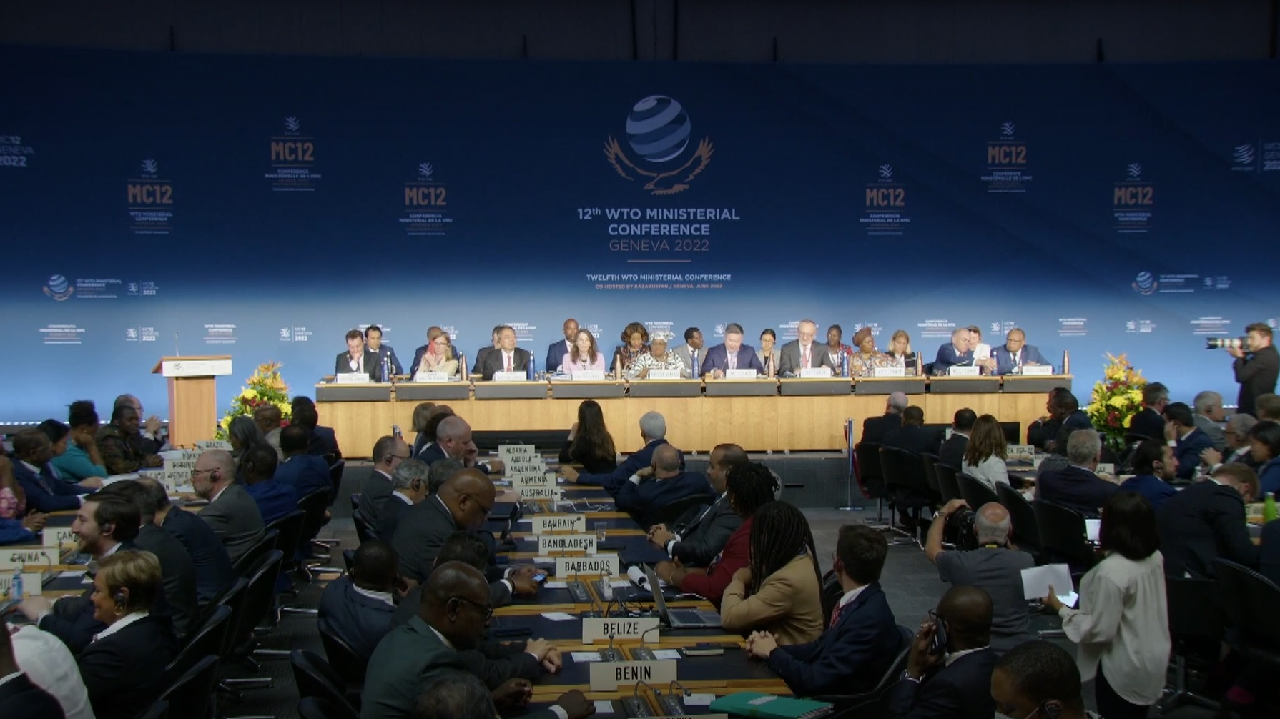
The Ministerial Conference is the WTO's highest decision-making body. Trade ministers from all member countries gather to discuss the direction of global trade and to make binding decisions on trade rules.

These conferences do not happen in the same place every time. They rotate across cities, bringing the institution closer to the people it is meant to serve. Past ministerials have been held in Nairobi, Bali, Buenos Aires and Geneva. The 14th Ministerial Conference (MC14) will take place in Yaoundé, Cameroon, making it only the second time Africa has hosted this gathering.

"Ministerial Conferences take decisions on all matters under any of the multilateral trade agreements and can create new ones."  — WTO

What Actually Gets Decided There?

Ministerials have produced some of the most consequential trade agreements in recent history. For example:

Beyond new agreements, ministerials also set the agenda for the year-round work of WTO ambassadors and delegates in Geneva. The outcomes shape global debates on agriculture, intellectual property, e-commerce, investment and development —issues that touch every African economy.

Why Does This Matter for Africa and AfCFTA?

This is where things get especially important for young Africans.

The African Continental Free Trade Area (AfCFTA) is Africa's bold project to create a single market of 1.4 billion people. But AfCFTA does not exist in isolation; it exists within the global trading system governed by the WTO. The two frameworks interact directly:

  • WTO rules on tariffs, subsidies and dispute resolution form the foundation on which AfCFTA is built. What is agreed at MC14 will shape what is possible under AfCFTA.
  • Decisions on e-commerce, digital trade and services at MC14 will directly affect Africa's growing digital economy — including the young entrepreneurs driving it.
  • Outcomes on agricultural trade and food security will affect African farmers and food systems, many of which are central to AfCFTA's economic integration goals.
  • Special and Differential Treatment (S&DT) provisions, which give developing countries and Least Developed Countries (LDCs) more flexibility, are regularly negotiated at ministerials. The terms agreed at MC14 will determine how much policy space African governments have to support their own industries and young entrepreneurs.

Why Should Young People Care?

Trade policy can sound distant: technical language, diplomatic negotiations, Geneva corridors, but the outcomes are anything but distant.

The clothes you wear, the cost of your smartphone, whether a young Ugandan entrepreneur can export her products duty-free to Senegal, whether a Kenyan tech startup can compete fairly in global digital markets — these realities are shaped by decisions made in rooms like MC14.

Young people are Africa's largest demographic. We are the entrepreneurs, the farmers, the innovators and the traders. Yet we are rarely in the room when the rules are written. That is why ICOYACA's presence at MC14 matters and why your awareness of what happens there matters too.

What Comes Next: Follow ICOYACA at MC14

In the coming weeks, ICOYACA will be publishing:

  • A glossary of key WTO and trade terms to help you follow what is happening
  • Daily highlights from the events in Yaoundé
  • A full post-event report on the outcomes of MC14 and what they mean for African youth and AfCFTA

You don’t need a law degree or a trade economics background to engage with these issues; you just need to know why they matter, and now you do ☺


Anele Simon
Acting Secretary General, ICOYACA | International Trade and Investment Law Expert

Share This News

Comment

Do you want to get more information about us?